
Spain is known for its sun-drenched beaches, rich history, and vibrant culture. It’s packed with fun facts and surprising tidbits. We’ve gathered them all for you!
- Hispania: Spain got its name from the Phoenicians, who called it “Hispania.” This means “Land of the Rabbits.” So yes, you could say Spain is the kingdom of bunnies.
- Four Official Languages: Spain has no less than four official languages: Castilian (Spanish), Catalan, Basque, and Galician.
- Coastline: Spain boasts a 4,964-kilometer coastline filled with breathtaking beaches. Imagine discovering a new beach every day—you’d still have plenty left after 13 years!
- Unlucky Day: Forget Friday the 13th. In Spain, Tuesday the 13th is the real unlucky day.
- Two Last Names: Spanish kids get not one, but two last names: one from their father and one from their mother. Twice the chance for a tongue-twister.
- Power Outlets: The power outlets are type C and F, so you do need a travel adapter for Spain.
- Bananas: Spain is the only European country where bananas grow, specifically on the Canary Islands.
- Population Density: With just 82 people per square kilometer, Spain has one of the lowest population densities in Europe. Plenty of space for a quiet siesta.
- Anthem Without Lyrics: The Spanish national anthem has no official lyrics. No need to remember words—just enjoy the tune.
- New Year’s Eve: On New Year’s Eve, Spaniards eat a grape with each chime of the clock to ring in the New Year. Twelve grapes for twelve months of good luck—or at least, a good try.

- Geographical Center: The Puerto del Sol in Madrid is the geographical center of Spain. Symbolically, this is where every Spanish journey begins.
- Mountainous Terrain: Spain is the second most mountainous country in Europe after Switzerland, with an average altitude of 660 meters above sea level. A paradise for mountain goats and hiking enthusiasts.
- Bar Tradition: In Spain, it’s normal to throw things on the floor in a bar during a night out. Napkins, olive pits—you name it. It’s not litter, it’s culture.
- Plaza Life: Life in Spanish cities revolves around the plaza, the central square. Here, you meet friends, drink coffee, and enjoy life.
- World Heritage: Spain has 44 UNESCO World Heritage sites. From historic cities to nature parks, Spain is an open-air museum.
- Ice Age: During the Ice Age, Spain largely remained ice-free, which is why it now harbors around 8,000 plant species.
- Dragon Tree: The Dragon Tree, a unique plant species, is found on the Canary Islands.
- Airports: Spain has 105 airports for commercial aviation, 33 of which also handle international flights. The country is a major aviation hub.
- RENFE: Train travel in Spain is run by the state-owned company RENFE. A network connecting cities from north to south, east to west.
- Autonomous Communities: Spain is a federal state with 17 autonomous communities and two autonomous cities (Ceuta and Melilla).
- Universities: The University of Salamanca and the Complutense University of Madrid are among the most renowned educational institutions in Spain.
- Bordering Countries: In the northeast, Spain borders France and Andorra; in the west, Portugal; and in the south, Gibraltar and Morocco. A strategic location between different cultures.
- Capital: The capital city, Madrid, has more than 3 million inhabitants. A bustling metropolis where history and modernity go hand in hand.
- Early Inhabitants: The territory of present-day Spain was once inhabited by Iberians, Celts, Phoenicians, and Basques.
- Conquests: After the fall of the Western Roman Empire, Spain was conquered by the Visigoths and later the Moors, until the Reconquista was completed in 1492.
- Olive Oil: Spain is the world’s largest producer of olive oil, accounting for about 40% of global production. Liquid gold that enriches Spanish cuisine.

- Sagrada Familia: The iconic Sagrada Familia Basilica in Barcelona, designed by Antoni Gaudí, began construction in 1882 and is still unfinished. Completion is expected in 2026. An everlasting masterpiece in progress.
- La Tomatina: Spain hosts the world’s largest food fight, La Tomatina, where thousands gather in Buñol every August to throw ripe tomatoes at each other.
- Siesta: The tradition of siesta, a short afternoon nap, is deeply ingrained in Spanish culture. A well-deserved rest in the middle of the day.
- Don Quixote: The first modern novel, Don Quixote by Miguel de Cervantes, was written in Spanish in 1605.
- Stapler: The stapler was invented in the 18th century in the Basque Country of Spain. An everyday office hero with Spanish roots.
- Wind Energy: Spain was the first country in the world where wind became the largest source of electricity in 2013. Progressive and green.
- Ratoncito Pérez: In Spain, a mythical mouse called Ratoncito Pérez takes children’s lost teeth instead of a tooth fairy.
- Bars: Spain has the highest number of bars per capita in Europe.
- Eiffel Tower: The Eiffel Tower was originally planned to be built in Barcelona, but Spain rejected the proposal. A missed opportunity or a blessing in disguise?
- Bullfighting: Bullfighting, though banned in some regions, is still legal in parts of Spain. A controversial tradition that sparks debate.
- San Fermín: The Running of the Bulls festival, San Fermín, dates back to the 14th century in Pamplona. An adrenaline rush through the ages.
- Flamenco: Flamenco, a passionate music and dance form, originated in the Andalusian region of Spain.
- Madrid: Madrid is the second highest capital city in Europe, at an altitude of 667 meters above sea level. A city that stands tall, literally and figuratively.
- National Animal: Spain’s national animal is the bull. A symbol of strength and courage.
- Oldest Restaurant: The world’s oldest restaurant, Restaurante Botín, has been operating in Spain since 1725.
- Peseta: Before the Euro, Spain’s national currency was the Spanish Peseta, used from 1868 to 2002. A nostalgic coin from the past.
- Highest Point: The highest point in Spain is Mount Teide, a 3,718-meter peak on the Canary Island of Tenerife.
Those were the fun facts and trivia about Spain. If you know any other interesting tidbits, feel free to share them with us!
Also of interest for your trip
Apple AirTag
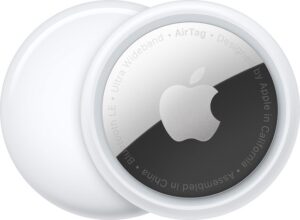
- Always have your suitcase location at your fingertips
- Set up in under a minute
- Precise location tracking
Vacuum Storage Bags

- Hand pump included
- 20 pack
- Protect against dirt, moisture, and odors
Packing cubes
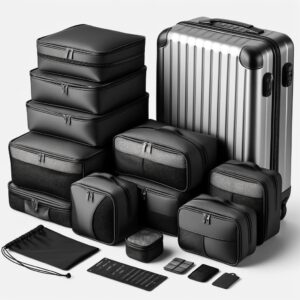
- Organize your suitcase
- Keep your clothes clean
- 20-piece set