
Argentina is a land of vast pampas and vibrant cities, home to a wealth of fun facts.
Over the years, we’ve gathered all sorts of facts about Argentina. Check them out below!
- Literacy Rate: Argentina has one of the highest literacy rates in Latin America, with over 95%. Maybe it’s their love for books that helps them overcome barriers, both literally and figuratively.
- Soccer: Soccer here is more than a sport; it’s a way of life. Argentina, a country where the grass is sacred and the World Cup was won three times: 1978, 1986, and 2022. Each victory feels like a national rebirth.
- Tango: Ah, the tango. Born in the smoky bordellos of Buenos Aires, danced by lost souls seeking a bit of comfort. This dance, a poetic dialogue between two bodies, tells stories that words can’t capture.
- Size: Argentina is the largest Spanish-speaking country in the world by area.
- Power Outlets: The power outlets are type C and I. You’ll definitely need a travel adapter for Argentina.
- Meat Consumption: Argentinians are true carnivores, with the highest red meat consumption per capita in the world. Every barbecue is a ritual, a tribute to their love for life and good food.

- Superclásico: The Superclásico between Boca Juniors and River Plate isn’t just a soccer match. It’s an epic battle, a modern saga where friendships and rivalries are played out in 90 nerve-wracking minutes.
- Soccer Icons: World-famous Argentine soccer players like Diego Maradona and Lionel Messi aren’t just athletes; they’re legends, almost divine figures embodying the dreams of millions.
- Pre-Colonial History: Before European colonization, Argentina was sparsely populated, mainly by hunter-gatherers.
- Inca Empire: Part of Argentina belonged to the Inca Empire in the 15th century, drawn by the glittering promises of gold, silver, and copper.
- Languages: Besides Spanish, many other languages are spoken in Argentina, such as Italian, Portuñol, German, Welsh, and Arabic.
- Neighbor Relations: Argentina has good relations with its neighboring countries, especially with Uruguay, with which it shares a common culture and history.
- Falkland Islands: Argentina claims the Falkland Islands (Islas Malvinas), leading to ongoing conflicts with the United Kingdom. A geopolitical drama that continues to stir national pride.
- Independence and Civil War: After gaining independence in 1816, Argentina experienced a long civil war between federalists and unionists.
- Economic Growth: Between 1862 and 1880, Argentina saw a period of economic growth with the construction of railroads and a wave of European immigration.
- Administrative Division: Argentina is divided into 23 provinces and one federal district (Buenos Aires).
- Forensic First: The first person in the world to be convicted using fingerprint evidence was an Argentine mother. A groundbreaking case that changed the world of forensic science.
- Land Area: Argentina covers a vast land area of 2,780,400 km², much of which is uninhabited.
- Neutrality in WWI: During World War I, Argentina remained neutral and traded with both sides.
- Great Depression: The stock market crash of 1929 brought economic troubles like unemployment and corruption to Argentina. A dark period that left deep scars.
- Nuclear Power: The Atucha II Nuclear Power Plant in Argentina is the first nuclear power plant in Latin America.
- Dinosaurs: The fossilized remains of the largest dinosaur ever discovered, the Argentinosaurus, were found in Argentina. A giant from a long-lost era, buried in Argentine soil.
- Folk Music: Argentina is known for its traditional folk music and dance styles, such as chamamé and zamba.
- Railways: The country has the largest railway system in Latin America.
- Honey Production: Argentina is one of the world’s largest producers of honey.

- Mountaineering: The Aconcagua Provincial Park in Argentina is a favorite among mountaineers worldwide. The challenge of Aconcagua, the highest mountain outside Asia, attracts adventurers from far and wide.
- Gastronomy: Traditional Argentine gastronomy includes delights such as empanadas, locro, and dulce de leche.
- Rivers: Argentina has one of the longest river systems in the world, the Paraná-River Plate. Waterways that traverse the country, bringing life and trade.
- Bariloche: The town of Bariloche, known for its Swiss architecture and delicious chocolate, offers a touch of Europe in the heart of Argentina.
- Ghost Town: Villa Epecuén, Argentina’s ghost town, was submerged for 25 years and re-emerged in 2009.
- Día del Amigo: Argentina celebrates Friendship Day (Día del Amigo) every year on July 20 as a tribute to friendship. A day to cherish the bonds of camaraderie.
- Greeting: In Argentina, it’s common to greet friends and family with a kiss on one cheek. A sign of warmth and closeness.
- Welsh in Patagonia: Argentina is home to a Welsh-speaking community in Patagonia, a result of an immigration wave in the 19th century.
- Gran Chaco: The Gran Chaco forest is the second-largest forested area in South America and a hotspot of biodiversity.
- Buenos Aires: Buenos Aires is often called the “Paris of South America” due to its European influences. A city where the grandeur of Europe and the passion of Latin America meet.
- Gauchos: Gauchos, the Argentine cowboys, are a symbol of the vast plains of the Pampas. Figures of freedom and adventure, riding under the open sky.
- Magellanic Penguins: Argentina is home to the largest population of Magellanic penguins in the world.
- Law in Rosario: In Rosario, there’s a law that forbids naming a child Messi due to the fear of massive confusion. A testament to the influence of a soccer god in everyday life.
These are all the fun facts and tidbits we’ve gathered from ourselves and other travelers. Do you know more? Let us know!
Also of interest for your trip
Apple AirTag

- Always have your suitcase location at your fingertips
- Set up in under a minute
- Precise location tracking
Vacuum Storage Bags

- Hand pump included
- 20 pack
- Protect against dirt, moisture, and odors
Packing cubes
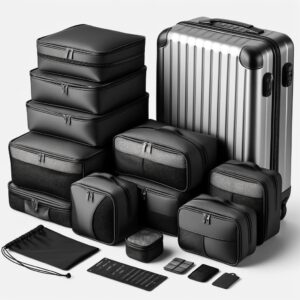
- Organize your suitcase
- Keep your clothes clean
- 20-piece set